
How to Choose a Facility Management Company in Bangladesh: A 10-Point Checklist
A practical, no-jargon checklist for selecting a facility management partner in Bangladesh — from scope and staffing to life safety, housekeeping standards, reporting and hand-over.
Choosing a facility management partner is not a price comparison. Two quotes for the same building can look almost identical on paper and behave completely differently on site — because what you are actually buying is supervision, training and accountability.
This checklist covers the ten questions worth asking before you sign, whether you manage a hotel, an office tower, a hospital, a factory or a residential complex.
1. Define the scope before you talk price
Write down what actually needs to happen: which areas are cleaned and how often, which assets are maintained, what security cover is required overnight, who handles waste and consumables, and who responds when something fails at 2am.
A supplier can only price what you have described. A vague scope is the most common reason a facility contract disappoints later — not the supplier, and not the price.
If you are unsure where to start, it helps to split the work into four blocks: hospitality operations, security and life safety, cleaning and housekeeping, and MEP (mechanical, electrical and plumbing). Most buildings need some combination of all four.
2. Ask who actually employs the people on your site
Some providers directly employ their workforce. Others subcontract parts of it. Both models exist in Bangladesh and neither is automatically better — but the implications differ, and you should know which one you are buying.
Ask plainly:
- Who is the legal employer of the guard at my gate?
- Who trains them, insures them, and replaces them when someone leaves mid-shift?
- What does your staff turnover look like on comparable sites?
3. Check how staff are trained and supervised
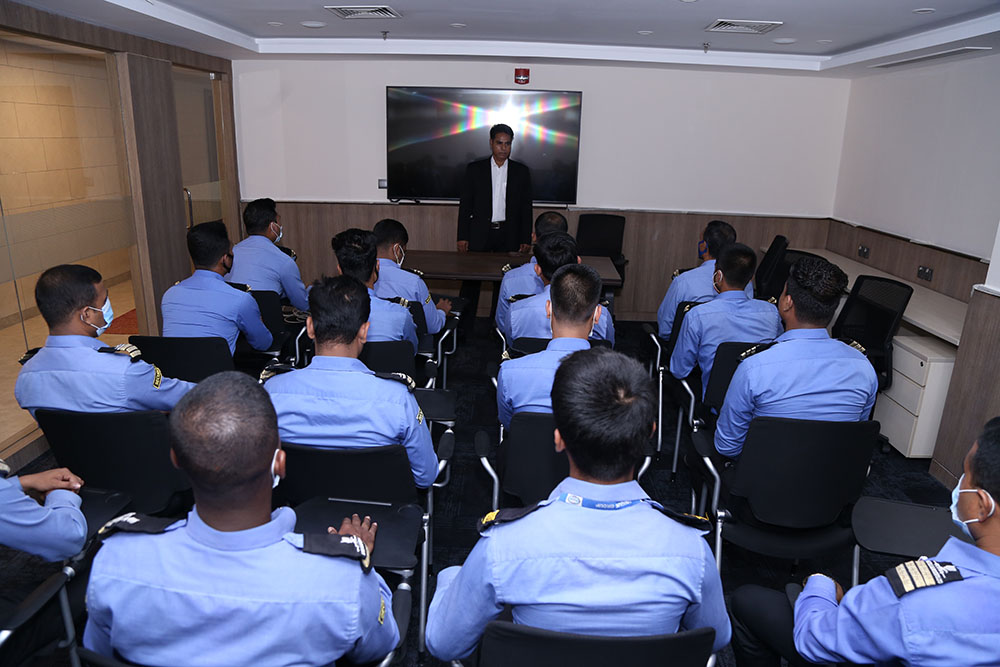
A building is run by its supervisors, not its brochures. Ask how many supervisors are assigned per shift, what the training covers, how often it is refreshed, and what a new team's first week looks like.
A provider who can show you a training calendar and a supervision structure is a provider who has done this before.
4. Verify life safety and security capability
Security is not only a person at a desk. What matters is whether the provider can operate and maintain the systems behind them — fire alarm monitoring, evacuation management, incident logging and reporting, and coordination with the relevant local authorities.
Ask for the drill schedule, how incidents are recorded and reported to you, and who is accountable when something goes wrong.
5. Look for hospitality-grade housekeeping standards
Housekeeping quality is where contracts are won and lost, because it is the part your clients and visitors see directly. Ask what the provider can actually do beyond sweeping and mopping:
- Floor care and marble crystallisation
- Carpet shampooing and upholstery care
- Facade and high-level cleaning
- Public area cleaning and pest control
If they serve hotels, ask what standard they work to and how it is audited.
6. Confirm MEP and asset maintenance capability
Cleaning and security are visible. MEP is where the real cost and risk sit — air conditioning, water supply and drainage, firefighting systems, elevators, CCTV, building management systems, and water treatment.
Ask how they maintain an asset register, how preventive maintenance is scheduled, and what their emergency response process looks like for each critical system.
7. Agree how performance will be measured
"We will do a good job" is not a service level. Before you sign, agree on measurable commitments: response times, completion rates, audit scores, incident reporting and escalation paths.
Then ask to see a sample monthly report. If they cannot show you one, you will not receive one.
8. Understand how labour, payroll and compliance are handled
Facility services are people-intensive, so labour administration matters. Ask who is responsible for wages, overtime, leave, insurance and statutory contributions — and what happens if the provider fails to pay on time.
Get this in writing. It protects both parties.
9. Ask who owns the relationship day to day
You should know the name of the person accountable for your site, the escalation path above them, and how often you will meet. Monthly review meetings with a named account manager are normal in a well-run contract.
10. Insist on a written transition plan
The riskiest moment in any facility contract is the hand-over. Ask for a written mobilisation plan covering recruitment, induction and training, asset register hand-over, and a review gate at the end of the first month.
A provider who treats transition as a project — rather than an afterthought — will treat your building the same way.
The short version
Scope it properly, find out who employs and trains the people on your site, verify the life-safety and MEP capability behind the visible services, and agree on measurable performance and a written hand-over plan. Do those things and the price conversation becomes much easier to have.
How HANSA Management fits
HANSA Management Ltd. is an integrated hospitality and facility management company in Bangladesh, a concern of Unique Group. Because we run all four service lines under one roof — hospitality management, security surveillance and fire life safety, cleaning and white-glove housekeeping, and MEP — there is one accountable team on your site instead of four separate contractors.
To discuss your scope, contact our Information Desk on 01708800870 or send us a message.